












































New Email Phishing Scam Targets Local Governments
Local governments are increasingly targeted by sophisticated email phishing scams. A new threat focuses on planning and zoning applications, putting sensitive municipal data at risk. Learn how to identify and avoid this emerging cybersecurity threat.
Caution: New Email Phishing Scam Targets Local Governments
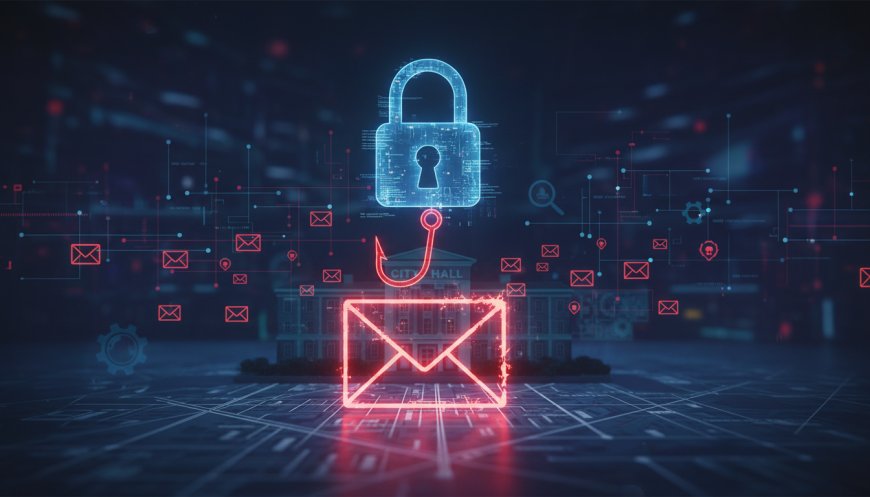
Local governments are increasingly becoming targets for sophisticated cybercriminals. A new wave of email phishing attacks has emerged, specifically targeting departments responsible for planning and zoning applications and permits. This evolving threat underscores the growing need for vigilance and robust cybersecurity measures within municipal operations. As digital processes become more integral to local governance, understanding and mitigating these cybersecurity threats is paramount to protecting sensitive data and maintaining public trust.
Understanding the Email Phishing Scam Targeting Planning and Zoning
This specific email phishing scam operates by impersonating legitimate entities involved in the planning and zoning process. Scammers may pose as applicants, contractors, or even fellow government officials. The emails often contain urgent requests, seemingly official documents, or links to forms related to planning or zoning applications and permits. The ultimate goal is to trick recipients into revealing sensitive information, clicking malicious links, or downloading infected attachments, thereby compromising the local government's network security.
Red Flags: How to Spot a Phishing Attempt
Recognizing the tell-tale signs of a phishing email is the first line of defense. Several red flags can help identify these fraudulent communications:
- Suspicious Sender Address: Look for slight misspellings or unusual domain names that mimic legitimate government or business addresses.
- Urgency and Threats: Phishing emails often create a false sense of urgency, demanding immediate action or threatening negative consequences if not complied with.
- Generic Greetings: Instead of using your name, the email might start with a generic greeting like "Dear Sir/Madam" or "Dear Resident."
- Poor Grammar and Spelling: While some phishing emails are sophisticated, many still contain noticeable grammatical errors or awkward phrasing.
- Unexpected Attachments or Links: Be wary of unsolicited attachments or links, especially those claiming to be related to planning applications, permits, or official documents. Recent reports highlight instances where such scams involve planning and zoning applications and permits, as seen in coverage concerning the City of Madison, WI.
- Requests for Sensitive Information: Legitimate government agencies typically do not request personal or financial information via email for application processes.
How the Scam Works and How to Verify Claims
The mechanics of this scam often involve social engineering. Cybercriminals exploit the routine nature of planning and zoning processes to craft believable lures. They might send an email appearing to be from an applicant needing immediate approval for a permit, or a contractor requesting updated information for a project. The attached document or linked form could be a fake application, a malicious survey, or a gateway to a credential-stealing website.
Verification is crucial. If an email seems unusual or out of the ordinary, do not click any links or open attachments. Instead, independently verify the request through established communication channels. For instance, if an email purports to be from an applicant, contact the planning department directly using a known phone number or email address to confirm the legitimacy of the communication. Cross-reference information with internal records and established protocols. If the communication involves financial transactions or sensitive data, always err on the side of caution.
Protecting Your Municipality: What to Do If Targeted
If your local government department receives a suspicious email related to planning and zoning applications, or any other matter, it is vital to act promptly and cautiously.
- Do Not Respond: Do not reply to the suspicious email or click on any links or download any attachments.
- Report the Incident: Forward the suspicious email to your organization's IT security department or designated point of contact for cybersecurity incidents. If your municipality lacks such a department, consult with local cybersecurity experts or relevant law enforcement agencies.
- Educate Staff: Conduct regular cybersecurity awareness training for all employees, emphasizing the dangers of phishing and the importance of verifying communications.
- Implement Security Measures: Ensure that robust email filtering, anti-malware software, and multi-factor authentication are in place. Regularly update all software and systems.
- Review Procedures: Periodically review and update internal procedures for handling applications, permits, and sensitive data to incorporate current cybersecurity best practices.
Staying informed about emerging threats, such as this email phishing scam planning zoning, is a continuous effort. As digital threats evolve, so too must the defenses of our local governments. For more information on protecting yourself from similar scams, consider resources on AI Crypto Scam Warning: Protect Your Investments Now, which highlights the need for vigilance against evolving fraudulent schemes.
Frequently Asked Questions
What is the primary goal of this phishing scam?
The primary goal is to trick local government employees into revealing sensitive information, downloading malware, or granting unauthorized access to government systems, often by impersonating individuals or entities involved in planning and zoning processes.
How can local governments prevent this type of attack?
Prevention involves a multi-layered approach including employee training on recognizing phishing attempts, implementing strong email security filters, using multi-factor authentication, and establishing clear protocols for verifying suspicious communications.
What should an employee do if they suspect an email is a phishing attempt?
Employees should immediately report the suspicious email to their IT security department or designated contact and refrain from interacting with the email's content (e.g., clicking links or opening attachments).
Related Reading
- AI Crypto Scam Warning: Protect Your Investments Now
- Retell AI Named to Wing VC's Enterprise Tech 30: Scam Alert
- AI Crypto Scam: Invest Safely in 2026
Sources
What's Your Reaction?
 Like
0
Like
0
 Dislike
0
Dislike
0
 Love
0
Love
0
 Funny
0
Funny
0
 Angry
0
Angry
0
 Sad
0
Sad
0
 Wow
0
Wow
0