
































AI Transforms Workplaces: Capcom & Slack Lead
Explore the transformative impact of AI in workplaces, examining Capcom's strategic use of AI for efficiency and Slack's new AI-powered tools designed to boost productivity. This review delves into the benefits, limitations, and future of AI in the modern work environment.
AI Workplace Transformation: A New Era of Efficiency
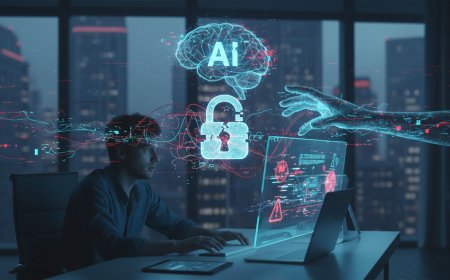
The integration of Artificial Intelligence (AI) into the workplace is no longer a distant concept but a rapidly evolving reality. Businesses across various sectors are exploring and implementing AI technologies to streamline operations, enhance productivity, and gain a competitive edge. This AI workplace transformation is reshaping how we work, from game development to team collaboration platforms. Understanding these shifts is crucial for professionals and organizations alike as they navigate this new landscape.
Capcom's Strategic Approach to AI in Operations
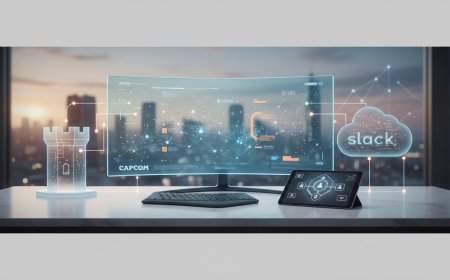
In the dynamic world of video game development, innovation is key. While some companies are cautiously approaching the use of generative AI for in-game assets, Capcom has outlined a clear strategy. Recent coverage indicates that Capcom has no immediate plans to incorporate generative AI assets directly into its games. However, the company is actively leveraging AI technology to significantly improve internal workplace efficiency. This strategic distinction highlights a pragmatic approach, focusing AI's application on enhancing development processes, project management, and operational workflows rather than directly on creative output for their flagship titles. This allows them to benefit from AI's capabilities without disrupting their established creative pipelines.
Slack's AI Tools: Empowering Collaboration and Productivity
On the collaboration front, Slack has been at the forefront of integrating AI to empower its users. Recent reports highlight Slack's introduction of new AI tools designed to boost workplace productivity. These tools aim to simplify complex workflows, summarize lengthy conversations, and surface relevant information more effectively. For developers and teams relying on constant communication, these AI enhancements can be a game-changer, reducing the time spent searching for information and allowing for more focused work. The integration of AI into platforms like Slack signifies a broader trend towards intelligent tools that augment human capabilities, making daily tasks more manageable and efficient. This move aligns with the growing demand for AI in workplaces that can directly impact day-to-day operations.
The Transformative Impact: What's Changing and Why It Matters
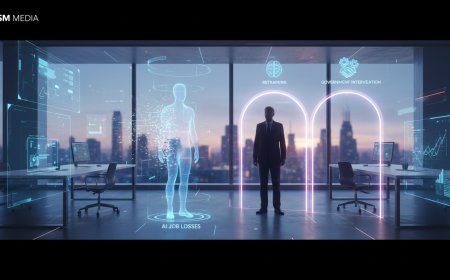
The advancements in AI are fundamentally altering the workplace. What has changed is the accessibility and sophistication of AI tools. Previously confined to specialized fields, AI is now being democratized through user-friendly applications and platforms. For users, this means immediate benefits such as increased workplace efficiency, reduced manual effort, and improved decision-making through data analysis. The impact on business decisions is profound; companies can now automate repetitive tasks, gain deeper insights into market trends, and personalize customer interactions at scale. This shift necessitates a re-evaluation of existing job roles and skill sets, prompting a focus on retraining and reskilling initiatives, as discussed in broader contexts concerning AI's impact on employment. For instance, discussions around AI job losses and the need for reskilling underscore the importance of adapting to these technological changes.
Strengths, Limitations, and Who Benefits Most
The primary strength of AI in the workplace lies in its ability to automate, analyze, and optimize. AI tools can process vast amounts of data, identify patterns, and execute tasks with speed and accuracy far exceeding human capabilities. This leads to enhanced workplace efficiency and allows human employees to focus on more strategic and creative endeavors. For example, AI can assist in customer service through chatbots, optimize supply chains, and personalize marketing campaigns. However, limitations exist. AI systems require significant data to train, can be prone to biases present in that data, and may struggle with tasks requiring nuanced human judgment, empathy, or complex ethical reasoning. Currently, AI tools are most beneficial for roles involving repetitive tasks, data analysis, and information processing. As the technology matures, its applications will undoubtedly broaden.
What to Watch Next in AI Workplace Transformation
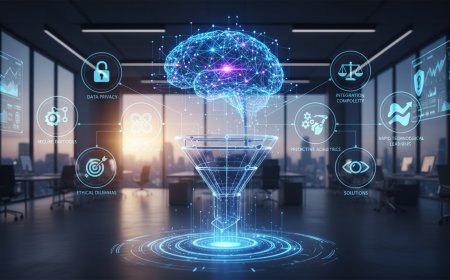
The trajectory of AI in the workplace points towards even deeper integration and more sophisticated applications. We can expect continued advancements in natural language processing, machine learning, and AI-driven automation. The development of more intuitive AI interfaces will further lower the barrier to adoption. Companies will likely focus on developing AI strategies that align with their specific business goals, much like Capcom's approach. The evolution of AI tools within collaborative platforms like Slack will also continue, aiming to create more seamless and intelligent work environments. As AI becomes more embedded, discussions around ethical AI deployment, data privacy, and the future of work will become even more critical. The potential for AI to act as a co-pilot in various professions is a significant development to monitor, echoing themes seen in discussions about AI agents transforming workplaces.
Frequently Asked Questions
Will AI replace jobs in the workplace?
AI is more likely to transform existing jobs and create new ones rather than causing mass displacement. While some repetitive tasks may be automated, AI can also augment human capabilities, leading to increased productivity and the need for new skill sets.
How can businesses start implementing AI?
Businesses can begin by identifying specific areas where AI can provide the most value, such as process automation or data analysis. Starting with pilot projects and leveraging existing AI-powered tools on platforms they already use is often a practical first step.
What are the main benefits of using AI in the workplace?
The primary benefits include increased efficiency, automation of repetitive tasks, improved data analysis and insights, enhanced decision-making, and the potential for innovation.
Sources
What's Your Reaction?
 Like
0
Like
0
 Dislike
0
Dislike
0
 Love
0
Love
0
 Funny
0
Funny
0
 Angry
0
Angry
0
 Sad
0
Sad
0
 Wow
0
Wow
0