




































Crypto Scams Targeting Seniors: What to Watch Out For
Senior citizens face a rising wave of crypto scams that promise quick gains but deliver financial loss. This article explains how scammers target older adults, highlights warning signs, and offers practical steps to protect yourself or loved ones. Stay informed, verify claims, and keep your finances safe.
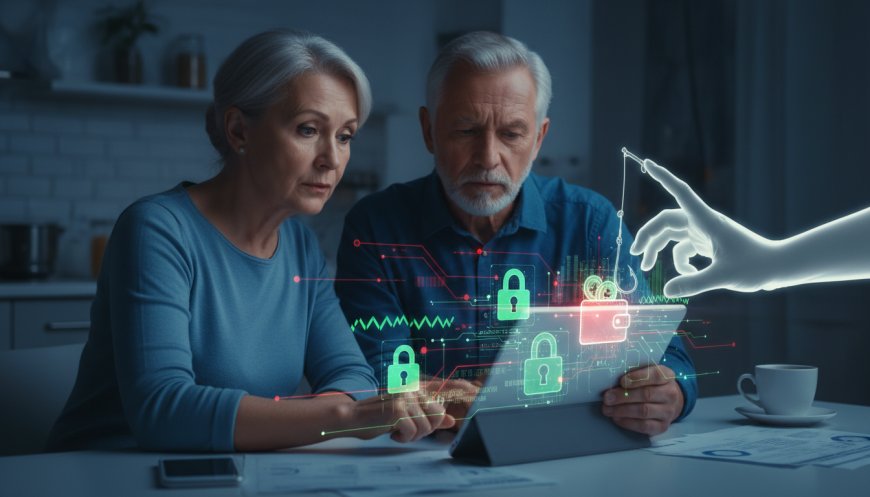
Recent reports suggest a sharp increase in cryptocurrency fraud aimed specifically at senior citizens. With the rise of digital payments and the allure of quick returns, older adults are becoming prime targets for scammers who promise easy money but deliver loss and distress. This article offers a clear warning, practical protection tips, and reliable resources to keep your finances—and your peace of mind—safe.
Understanding the Threat
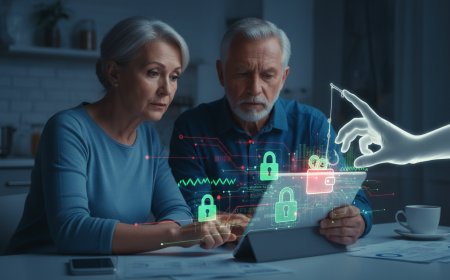
Crypto scams that target seniors often blend social engineering with sophisticated technology. Scammers pose as trusted financial advisors, family members, or government officials, exploiting the desire for financial independence and the trust seniors place in familiar voices. According to recent coverage from the Secret Service, a nationwide crackdown is underway as authorities uncover dozens of schemes that siphon funds from unsuspecting elders.
Common Red Flags
- Unsolicited contact – If you receive a phone call or email from someone claiming to be a bank representative or a relative asking for money, pause. Verify the identity through an independent channel.
- Promises of guaranteed returns – Legitimate investments never guarantee profits. Phrases like “risk‑free earnings” or “double your money in weeks” are classic scam tropes.
- Pressure to act quickly – Scammers create a false sense of urgency, insisting that you must act within minutes or you will lose the opportunity.
- Requests for private information – Never share passwords, private keys, or social security numbers over the phone or via email.
- Unusual payment methods – Be wary of requests to send money through wire transfers, prepaid debit cards, or cryptocurrency wallets that cannot be traced back to a known entity.
How Scammers Operate
Many of these schemes involve a combination of phishing, malware, and impersonation. For instance, a scammer might send an email that looks like a bank statement, prompting the victim to click a link that installs malware on their device. Once installed, the malware can harvest wallet credentials or redirect transactions to the fraudster’s account.
Another tactic is the “family member” scam, where the attacker poses as a distant relative who needs urgent funds to cover a medical bill or travel expenses. Because seniors often rely on family for financial advice, they may be more inclined to comply without thorough verification.
Verifying Claims Safely
When approached about a crypto investment or transfer, take these steps:
- Confirm the source – Use a phone number or email address you have on file to contact the alleged sender. Do not use the contact details provided in the suspicious message.
- Check official channels – For bank or government claims, look up the official website or customer service number. Many institutions publish warnings about common scams.
- Use two‑factor authentication – Enable 2FA on all financial accounts. Even if a password is compromised, a second factor can stop unauthorized transfers.
- Ask for documentation – Legitimate opportunities will provide verifiable contracts and disclosures. If the person refuses to share details, it’s a red flag.
- Consult a trusted advisor – Talk to a financial planner, attorney, or a family member who is tech‑savvy before making any decisions.
What to Do If You’re Targeted
Unfortunately, many seniors fall victim before they realize it. If you suspect a scam:
- Contact your bank immediately to freeze accounts or reverse any suspicious transactions.
- Report the incident to the Federal Trade Commission (FTC) and the local police. The FTC’s website offers a simple reporting form.
- Notify family members and inform them of the scam so they can be vigilant.
- Run a malware scan on your devices using reputable antivirus software.
- Seek professional help from a cybersecurity specialist if you suspect your personal data has been compromised.
Protecting Your Loved Ones
Many seniors rely on family for financial guidance. Here are steps you can take to help keep them safe:
- Maintain open communication – Encourage them to call you before acting on any investment offer.
- Educate on common scams – Share resources like the FTC’s “Fraud Center” and the Secret Service’s recent crackdown information.
- Set up monitoring – Use account alerts for any large transactions or login attempts.
- Limit access – Keep sensitive information, such as private keys and passwords, in a secure, shared vault that only authorized family members can access.
- Explore support services – Many community centers offer financial literacy workshops tailored to seniors. Consider enrolling them in a program that covers crypto basics and scam prevention.
For more detailed guidance on malware hidden in seemingly legitimate crypto services, you can read the article Crypto Scams Surge: Malware in Disguise. If you or a loved one feels overwhelmed by the emotional toll of a financial loss, resources on mental health tools using AI can help, as discussed in AI Revolutionizing Mental Health.
FAQ
Q: How can I tell if a crypto investment is legitimate?
A: Verify the company’s registration with the SEC or the local securities regulator. Check for a verifiable business address and read independent reviews. If the offer promises unusually high returns with no risk, it’s likely a scam.
Q: Can seniors use cryptocurrency safely?
A: Yes, but they should only use reputable exchanges, enable two‑factor authentication, and keep private keys offline. Consulting a trusted financial advisor before investing is essential.
Q: What should I do if my wallet has been compromised?
A: Transfer remaining funds to a new wallet immediately. Update all passwords and enable 2FA. Contact the exchange or wallet provider for assistance and report the incident to the FTC.
Sources
What's Your Reaction?
 Like
0
Like
0
 Dislike
0
Dislike
0
 Love
0
Love
0
 Funny
0
Funny
0
 Angry
0
Angry
0
 Sad
0
Sad
0
 Wow
0
Wow
0