






































Crypto Scams Surge: Malware in Disguise
Cryptocurrency investors face a new wave of sophisticated scams that hide malware in seemingly legitimate services. This article warns of red flags, explains how these schemes operate, offers verification tips, and provides actionable protection steps. Recent U.S. Treasury sanctions and a dismantled “ShieldGuard” operatio
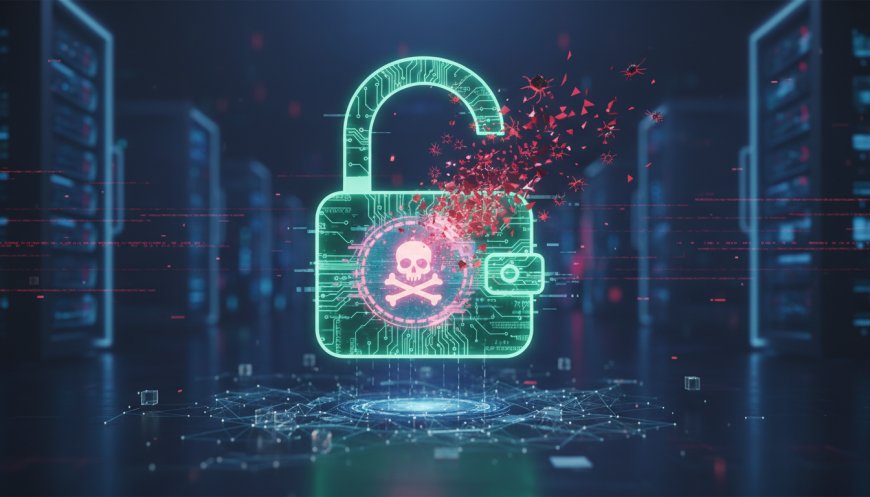
Cryptocurrency has become a mainstream investment vehicle, but its rapid growth has attracted a new breed of cybercriminals. Recent reports show that fraudsters are embedding malware into otherwise legitimate crypto services, turning them into Trojan horses that siphon funds or steal private keys. These crypto malware scams are more deceptive than ever, often masquerading as high‑yield investment platforms or exclusive trading tools.
Red Flags of Crypto Malware Scams
- Unusually high returns: Legitimate crypto investments rarely promise guaranteed, massive profits. If a platform guarantees returns above market averages, it’s a warning sign.
- Push for immediate deposits: Scammers pressure users to fund accounts quickly, often through a single transaction or a “one‑click” deposit link.
- Limited or no transparency: A lack of publicly available information about the company’s founders, regulatory status, or audited financials is a red flag.
- Excessive technical jargon: Overuse of complex blockchain terminology to confuse or impress users.
- Unverified or suspicious URLs: Shortened links, unfamiliar domains, or sites that redirect to multiple pages can hide malware.
Recent U.S. Treasury sanctions after an $800M North Korean crypto scam underscore how quickly governments are reacting to these threats. The Treasury’s action, reported by thestreet.com confirms the scale of these operations.
How the Malware-Infused Scam Works
Most malware‑infused scams follow a predictable pattern:
- Initial lure: A seemingly legitimate service advertises high returns or exclusive access to new tokens.
- Installation: Once users click a link or download a “tool,” malware silently installs itself on the device.
- Credential theft: The malware captures keystrokes, screenshots, or directly accesses wallet files.
- Funds diversion: The attacker transfers cryptocurrencies from the victim’s wallet to a stolen address, often across multiple exchanges to obfuscate the trail.
- Cleanup: The malware may delete logs or uninstall itself to avoid detection.
The dismantled “ShieldGuard” operation, detailed by Infosecurity Magazine illustrates how quickly law‑enforcement can trace and shut down such schemes.
Verifying Claims Before Investing
Before committing capital, perform these checks:
- Regulatory status: Verify that the platform is registered with relevant authorities such as the SEC, FINRA, or the Financial Conduct Authority.
- Third‑party audits: Look for independent security audits or certifications from reputable firms.
- Community feedback: Search forums, Reddit, or crypto news sites for user experiences and reported scams.
- Domain verification: Use tools like Whois to confirm ownership and check for recent changes.
- Secure connection: Ensure the site uses HTTPS and displays a valid SSL certificate.
Cybersecurity firms recommend a layered approach: use password managers, enable two‑factor authentication, and keep software up to date. For investors, a hardware wallet remains the safest storage method, as it isolates private keys from compromised devices.
Protecting Yourself: Practical Steps
- Use reputable wallets: Stick to well‑known hardware wallets like Ledger or Trezor.
- Enable multi‑factor authentication: Add an extra layer of security to all crypto accounts.
- Keep software updated: Regularly update operating systems, browsers, and security tools.
- Run regular scans: Use reputable antivirus and anti‑malware solutions to detect suspicious files.
- Educate yourself: Follow trusted crypto security blogs and stay informed about emerging threats.
Security experts also advise staying aware of broader financial technology trends. For instance, the rise of AI agents in financial services—such as those discussed in Credit Unions Brace for AI Agents' Spending Sprees—highlights how automation can both help and complicate investor protection.
What to Do If You’re Targeted
- Immediately disconnect: Isolate the device from the internet and any connected accounts.
- Notify your wallet provider: Report the incident and request a freeze on any pending transactions.
- Engage law enforcement: File a report with the Federal Trade Commission and local cybercrime units.
- Preserve evidence: Keep logs, screenshots, and any suspicious emails or messages.
- Seek professional help: Consider a cybersecurity firm for forensic analysis.
FAQ
- Can I recover funds lost to a crypto malware scam? Recovery depends on the exchange’s policies and whether the transaction was reversed. In many cases, funds are permanently lost.
- Are hardware wallets immune to malware? While hardware wallets keep private keys offline, they can still be compromised if the computer used to sign transactions is infected.
- What signs indicate a platform is regulated? Look for official registration numbers, compliance statements, and links to regulatory bodies on the platform’s website.
- How can I tell if a site uses SSL properly? A valid SSL certificate is indicated by a padlock icon in the address bar and a domain name that matches the organization.
Sources
What's Your Reaction?
 Like
0
Like
0
 Dislike
0
Dislike
0
 Love
0
Love
0
 Funny
0
Funny
0
 Angry
0
Angry
0
 Sad
0
Sad
0
 Wow
0
Wow
0