





















AI Agents in the Workplace: Navigating Productivity & Privacy
AI agents are rapidly transforming the modern workplace, offering unprecedented gains in productivity. However, this technological leap also introduces complex challenges related to employee privacy. This article explores the dual nature of AI agents in professional settings, examining how businesses and individuals can h
The Rise of AI Agents in Professional Environments
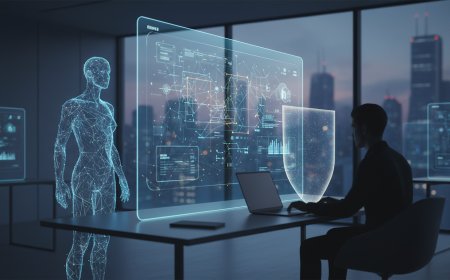
The integration of artificial intelligence into the workplace is accelerating, with AI agents emerging as a significant force. These sophisticated tools are designed to automate tasks, analyze data, and even assist in decision-making, promising a new era of efficiency. Recent discussions highlight the growing presence and capabilities of these agents, from facilitating personalized networking events to managing complex network security protocols. This rapid adoption signals a fundamental shift in how work is performed and managed.
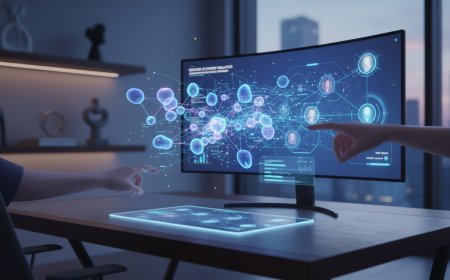
The concept of AI agents is no longer confined to theoretical discussions; they are actively being deployed across various sectors. As reported by Forbes, AI agents have demonstrated the capacity to drive substantial outcomes, such as facilitating a significant number of matches for personalized networking. Similarly, in the realm of cybersecurity, the potential of AI agents to revolutionize network security is a topic of active discussion, as noted by SmartBrief. This widespread integration underscores the transformative potential of AI agents in enhancing operational effectiveness and streamlining complex processes.
Maximizing Productivity with AI Agents
One of the most compelling aspects of AI agents in the workplace is their ability to significantly boost productivity. By taking over repetitive or time-consuming tasks, these agents free up human employees to focus on more strategic, creative, and high-value work. This can range from scheduling meetings and managing emails to conducting in-depth data analysis and generating reports. The ability of AI agents to operate continuously and process vast amounts of information at speeds unattainable by humans is a key driver of these productivity gains.
This enhanced productivity can translate into tangible business benefits, including faster project completion times, improved resource allocation, and a more agile response to market changes. The potential for AI agents to optimize workflows and identify inefficiencies is immense. As explored in other ASM Media reports, new metrics like AI tokens are even emerging to quantify and reshape workplace productivity in light of these advancements. The promise is a more efficient, responsive, and ultimately more productive workforce.
Navigating the Privacy Landscape
While the productivity benefits of AI agents are clear, their increasing presence also brings significant concerns regarding AI Agents Workplace Privacy. These agents often require access to sensitive company data, including employee communications, performance metrics, and personal information. The collection, storage, and analysis of this data raise critical questions about who has access, how it is secured, and what safeguards are in place to prevent misuse or breaches.
Recent coverage suggests a growing awareness of these privacy implications. The ability of AI agents to monitor employee activities, even if for productivity enhancement, can create a sense of surveillance and erode trust. Striking a balance between leveraging AI for efficiency and respecting individual privacy is paramount. This involves establishing clear policies on data usage, ensuring transparency with employees about what data is being collected and why, and implementing robust security measures to protect that data. Balancing productivity and privacy is becoming a defining challenge for businesses adopting AI.
The Impact on Employee Roles and Trust
The introduction of AI agents is also reshaping employee roles and the dynamics of trust within organizations. As AI takes on more tasks, there is a natural concern about job displacement. However, many experts believe that AI agents are more likely to augment human capabilities rather than replace them entirely. The focus is shifting towards a collaborative model where humans and AI work together, each leveraging their unique strengths. This requires a workforce that is adaptable and willing to acquire new skills to work alongside AI.
Building and maintaining trust in an AI-integrated workplace is crucial. Employees need to feel confident that their data is being handled responsibly and that AI tools are being used to support them, not to unfairly scrutinize them. Open communication and clear ethical guidelines are essential for fostering this trust. Companies that proactively address privacy concerns and involve employees in the implementation process are more likely to achieve successful adoption and maintain a positive work environment. The rise of AI agents brings new privacy trade-offs that must be carefully considered.
What to Watch Next
The evolution of AI agents in the workplace is a rapidly developing trend. As these technologies become more sophisticated, we can expect to see new applications and further integration into daily workflows. Key areas to watch include advancements in AI's ability to handle more complex cognitive tasks, the development of clearer regulatory frameworks for AI data usage and privacy, and the ongoing efforts by organizations to establish best practices for ethical AI deployment. The conversation around AI Agents Workplace Privacy will undoubtedly continue to be a central theme as businesses strive to harness the full potential of AI.
Furthermore, the focus on how AI agents impact the employee experience will likely intensify. Companies will need to continuously evaluate the effectiveness of their AI strategies, not just in terms of productivity, but also in their impact on employee morale, privacy perceptions, and overall job satisfaction. The ongoing dialogue between technological advancement and human-centric considerations will shape the future of AI in the workplace. As highlighted in ASM Media's analysis, AI Agents are the new frontier in workplace productivity & privacy, and understanding this dynamic is key for future success.
Frequently Asked Questions
What are AI agents in the workplace?
AI agents are software programs designed to perform tasks autonomously or semi-autonomously on behalf of a user or organization. They can automate repetitive tasks, analyze data, manage schedules, and assist in decision-making processes.
How do AI agents impact productivity?
AI agents can significantly boost productivity by automating tasks, improving efficiency, and allowing human employees to focus on more complex and strategic work. They can process information faster and operate continuously.
What are the main privacy concerns with AI agents in the workplace?
Privacy concerns arise from the extensive data AI agents may access, including employee communications and performance metrics. Ensuring data security, preventing misuse, and maintaining transparency about data collection are critical challenges.
Sources
What's Your Reaction?
 Like
0
Like
0
 Dislike
0
Dislike
0
 Love
0
Love
0
 Funny
0
Funny
0
 Angry
0
Angry
0
 Sad
0
Sad
0
 Wow
0
Wow
0